


Many adults starting Ozempic want practical, everyday nutrition guidance that helps them feel more comfortable and steady throughout their treatment. Food decisions often feel more important during the adjustment period, and people frequently search for detailed explanations about how to structure meals, what habits support stability, and how to handle appetite and fullness cues. This overview explores the Ozempic diet, how people approach it, and how thoughtful food choices help support an easier, more predictable weekly routine.
Understanding what to eat on Ozempic can make a meaningful difference in comfort, especially during the first several weeks. While there is no strict diet associated with the medication, many adults find that certain choices feel better than others. Developing clear meal patterns, choosing gentle foods, and paying attention to hydration often help reduce discomfort and support long-term success with lifestyle goals.
Why Food Choices Matter
Food plays a major role in how people feel while using weekly GLP-1 medications. Because digestion slows down, heavy meals can feel uncomfortable. People often notice that lighter, balanced foods sit better and help them maintain steadier energy levels throughout the day. This is one reason the Ozempic diet has become such a widely discussed topic.
The goal is not perfection. Instead, adults benefit from understanding general principles that help them feel grounded. Learning what to eat on Ozempic provides direction without strict rules, and understanding common challenges helps people make choices that support their comfort and satisfaction.
A Gentle, Balanced Eating Pattern
Most adults find that smaller, more frequent meals feel better than large portions. Because fullness often appears faster, heavy meals may be overwhelming or uncomfortable. A steady pattern of balanced meals helps provide nutrients without burdening digestion.
People often include a combination of lean protein, fiber-rich vegetables, whole grains, and healthy fats. This pattern supports fullness while keeping meals friendly to the digestive system. These combinations are also commonly recommended when looking for the best foods to eat on Ozempic, especially for individuals who want meals that feel light but satisfying.
Proteins That Support Comfort
Protein helps many people feel steady throughout the day. It supports fullness, prevents energy dips, and helps regulate appetite. Gentle protein sources often include:
- Eggs
- Greek yogurt
- Cottage cheese
- Chicken or turkey
- Fish
- Tofu or tempeh
These foods are frequently mentioned in lists of the best foods to eat on Ozempic because they offer nutrition without heaviness. Many adults find that tender cooking methods, such as baking, steaming, or grilling, help maintain comfort.
Fiber-Rich Options for Digestive Ease
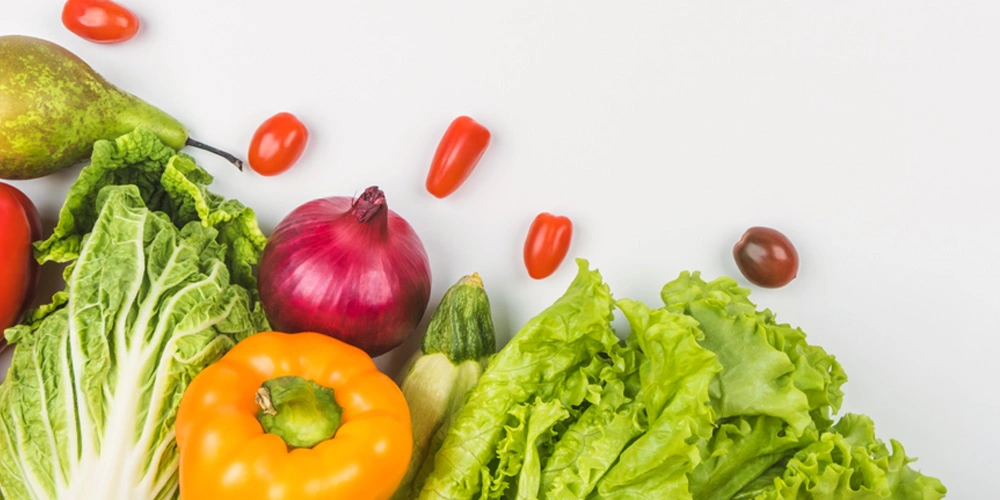
Fiber supports digestion, fullness, and overall balance. However, too much fiber too suddenly may feel uncomfortable, so gradual adjustments are useful. Many adults include foods such as:
- Berries
- Apples or pears
- Leafy greens
- Zucchini, peppers, or tomatoes
- Oats
- Lentils or chickpeas
People often learn through experience what feels best for them. Paying attention to how different high-fiber foods feel helps refine personal preferences within the Ozempic diet over time.
Hydration and Gentle Beverages
Hydration helps digestion and overall comfort. Many adults find that water, herbal tea, electrolyte drinks, or diluted juices sit well. Some people also prefer warm beverages because they soothe digestion.
Avoiding sugary drinks and limiting carbonated beverages is often helpful, since carbonation may increase discomfort or bloating. These choices align naturally with Ozempic tips shared by individuals who want smoother daily routines.
Understanding Ozempic Foods to Avoid
There is no official restriction list, but many adults find that certain foods feel harsher on a slower digestive system. This often leads to discussions about Ozempic foods to avoid, especially during early stages of treatment.
Common examples include:
- Greasy or fried meals that sit heavily
- Large portions of red meat
- High-sugar foods that spike appetite
- Very spicy meals that irritate digestion
- Heavy cream-based dishes
- Large servings of bread or pasta in one sitting
These foods may feel uncomfortable for some adults, not because they are unsafe, but because digestion may slow enough that heavy meals linger longer than expected. This is why lists of Ozempic foods to avoid focus on comfort rather than strict prohibition.
Meal Timing and Eating Pace
Pacing is just as important as food selection. Eating slowly helps people recognize fullness cues earlier, which prevents discomfort later. Many adults prefer smaller meals spread throughout the day because they align better with reduced appetite and gradual digestion.
Breaking meals into manageable portions is also one of the most effective Ozempic tips, especially for individuals adjusting to a new rhythm of hunger and fullness.
Snacks That Support Stability
Some adults need small snacks between meals to keep energy steady. Popular gentle snack options include:
- Small servings of nuts
- String cheese
- Whole-grain crackers with hummus
- Fresh fruit
- Avocado slices
- Smoothies with Greek yogurt
These snacks provide nutrition without overwhelming the digestive system. They also support consistent routines, especially for adults who want clarity around what to eat on Ozempic between meals.
Supporting Long-Term Habits
The Ozempic diet is less about restriction and more about building habits that feel sustainable. Many adults find that the medication’s effect on appetite helps them reconnect with natural hunger cues. This is a valuable opportunity to build routines that remain comfortable for the long term.
People also pay attention to:
- Meal planning
- Balanced grocery lists
- Portion awareness
- Satisfying but gentle recipes
- Predictable eating schedules
These patterns contribute to overall comfort and better alignment with long-term goals.
Lifestyle Support Beyond Food
Food choices work best when paired with movement, hydration, and rest. Light daily activity such as walking can support smoother digestion. Adequate rest helps maintain energy and reduces stress-related cravings. These broader habits enhance meal routines and support the practical side of living with weekly dosing.
These adjustments, along with thoughtful eating, form some of the most helpful Ozempic tips shared across patient communities.
Building a Personalized Eating Approach
Every adult responds differently, so personalization matters. People refine their choices based on their own comfort, energy, digestion, and preferences. What works for one person may not work for another, which is why flexibility is so important.
The goal is to build an eating plan that feels natural and supports daily life. When adults understand the principles behind the best foods to eat on Ozempic, they can shape meals in a way that feels comforting and sustainable.
Your Next Step With SO SO THIN
Adults seeking structured support for nutrition guidance, treatment eligibility, and long-term wellness often benefit from beginning with a professional evaluation. This helps ensure safety, clarity, and individualized recommendations that fit personal goals. SO SO THIN provides a responsible and supportive telehealth experience that makes it easier to understand how lifestyle and treatment can work together for steady, achievable progress.

