

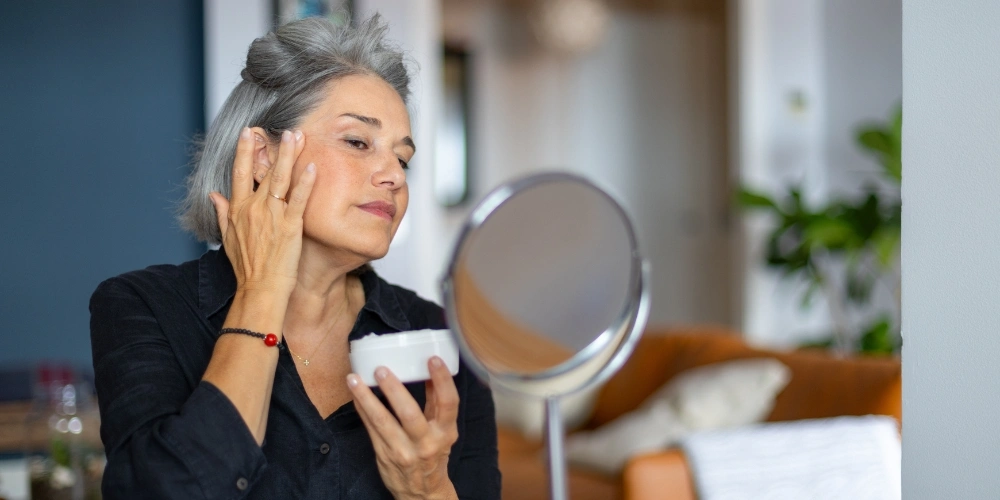
Skin changes start earlier than most people expect. Sun exposure, stress, sleep patterns, nutrition, and daily habits slowly shape how skin looks and feels over time. Many adults search for clear guidance on when to start using anti aging products because early, steady care builds long-term results. The approach at SO SO THIN centers on education, consistency, and science driven routines, supported by trusted formulations such as Anti-Aging Solutions for Younger, Healthier Skin.
Understanding the Basics of Skin Aging
Skin aging develops through a mix of internal processes and environmental stress. Collagen production slows, cell turnover decreases, hydration levels shift, and protective barriers weaken. These changes appear gradually, often long before visible lines form. Learning when to start anti-aging skin care helps prevent damage from compounding year after year. Anti aging skin care works best as prevention first, correction second.
The Right Time to Begin
The question when to start using anti aging products receives different answers depending on lifestyle, genetics, and exposure levels. Many dermatology professionals agree early care begins in the mid to late twenties, sometimes earlier for individuals with high sun exposure or genetic predisposition. Waiting until visible damage appears limits how much reversal occurs later. Knowing when to start anti-aging skin care shifts the focus from repair to protection.
Why Prevention Matters More Than Correction
Once collagen breaks down and pigment irregularities settle deep within the skin structure, reversing those changes becomes harder. Starting anti aging skin care before major changes develop allows ingredients to support cellular health while the skin remains resilient. This approach strengthens elasticity, hydration, and barrier function long before wrinkles or uneven tone dominate the surface.
Your 20s: Building the Foundation
The twenties serve as the ideal stage for preventive care. Skin often appears smooth and firm, yet cellular changes already begin beneath the surface. At this stage, when to start using anti aging products becomes a proactive decision rather than a reactive one. Gentle exfoliation, antioxidant protection, hydration, and daily sun defense create the framework for long term skin health.
Your 30s: Strengthening and Protecting
During the thirties, collagen decline accelerates. Expression lines around the eyes and mouth become more noticeable. Pigment irregularities start appearing from cumulative sun exposure. Anti aging skin care during this phase focuses on reinforcing moisture levels, improving texture, and supporting collagen preservation. This decade often marks the period when individuals truly recognize when to start anti-aging skin care as essential rather than optional.
Your 40s: Supporting Repair and Renewal
By the forties, visible changes deepen. Skin feels thinner, drier, and less elastic. Cell turnover slows significantly. Anti aging skin care now expands to include ingredients that stimulate renewal, enhance barrier repair, and restore brightness. At this stage, individuals often reflect on when to start using anti aging products earlier and commit fully to long term consistency.
Your 50s and Beyond: Preserving and Maintaining
Later decades focus on maintaining what remains strong while improving comfort, hydration, and tone. Anti aging skin care becomes an ongoing partnership between routine, nutrition, sleep, and stress management. Results remain achievable, though prevention earlier in life simplifies maintenance later.
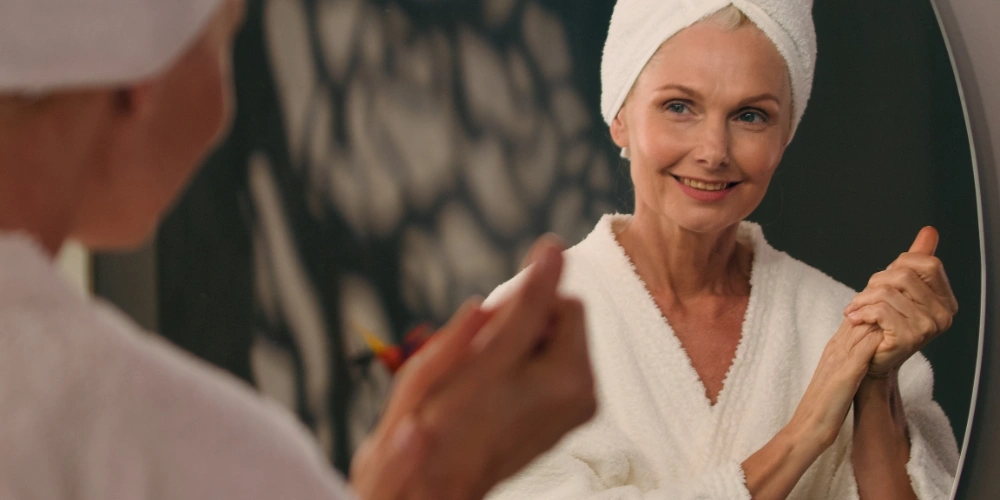
Lifestyle Factors That Influence Aging Speed
Sun exposure remains the single largest contributor to premature aging. Smoking, dehydration, poor sleep, stress hormones, and high sugar diets further accelerate breakdown of collagen and elastin. Anti aging skin care paired with healthy habits amplifies visible improvements. Knowing when to start using anti aging products helps offset these stressors before long term damage accumulates.
Choosing Products Based on Age and Skin Needs
Every decade introduces different priorities. Younger skin focuses on protection and hydration. Mature skin emphasizes renewal, repair, and moisture retention. Anti aging skin care never follows one rigid formula. It evolves as the skin evolves.
Key Ingredients That Drive Long Term Results
Effective anti aging skin care relies on evidence supported ingredients. Antioxidants fight free radical damage. Retinoids encourage cell turnover. Peptides support collagen production. Ceramides restore barrier integrity. Hyaluronic acid boosts hydration. Sunscreen preserves every benefit gained. These components form the backbone of Anti-Aging Solutions for Younger, Healthier Skin routines offered through SO SO THIN.
Why Consistency Outperforms Intensity
Results emerge through steady repetition, not aggressive overuse. Gentle daily care protects skin better than occasional intense treatments. Establishing consistency early answers the question of when to start using anti aging products more clearly than any single product promise.
The Emotional Benefits of Early Skin Care
Skin health influences confidence, self image, and emotional well being. Individuals who adopt anti-aging skin care earlier often feel more in control of aging rather than chasing corrections later. This mindset shift promotes positive long term habits across overall wellness.
How SO SO THIN Supports Skin Longevity
At SO SO THIN, skin care integrates science, education, and personalized routines. Clients receive guidance rooted in skin physiology and product performance, helping them understand when to start anti-aging skin care based on their unique skin profile. Anti-Aging Solutions for Younger, Healthier Skin formulations anchor this philosophy by delivering targeted ingredients aligned with long term skin health goals.
Common Myths About Starting Too Early
Some believe anti-aging skin care should wait until visible wrinkles appear. This misconception delays prevention and allows silent damage to accumulate. Others fear early product use leads to dependency. In reality, skin responds to supportive care by maintaining strength and resilience over time.
Signs Skin Needs Enhanced Care
Early signs include dullness, uneven tone, dehydration, fine lines around the eyes, and slower healing from blemishes. These changes signal the right moment for more structured anti aging skin care. Recognizing these signals answers when to start using anti aging products more accurately than age alone.
Building a Sustainable Routine
Cleansing, hydration, sun protection, antioxidant support, and targeted treatment create the core structure. Anti aging skin care remains effective when routines stay simple and repeatable. Overloading products leads to irritation and inconsistency.
Long Term Skin Health and Preventive Strategy
Skin health reflects long term lifestyle decisions. Balanced nutrition, sleep quality, stress management, and hydration amplify every topical routine. SO SO THIN emphasizes integrated care that treats skin as part of overall wellness.
The Science of Early Intervention
Cellular research confirms early protective care slows visible aging trajectories. Individuals who begin anti-aging skin care in early adulthood maintain smoother texture, more even pigmentation, and stronger elasticity decades later. This science reinforces the importance of understanding when to start using anti aging products as a preventive investment.
Conclusion
Skin aging never follows a single timeline. Genetics, lifestyle, and environment shape each journey differently. The most effective approach begins with knowledge, consistency, and early commitment. Understanding when to start anti-aging skin care empowers individuals to protect their skin before visible damage takes hold. Through personalized guidance, education, and advanced formulations, SO SO THIN continues supporting long term skin health at every life stage.

